
Synthesis Method and Precautions for Dibutyltin Diacetate
Synthesis Method and Precautions for Dibutyltin Diacetate
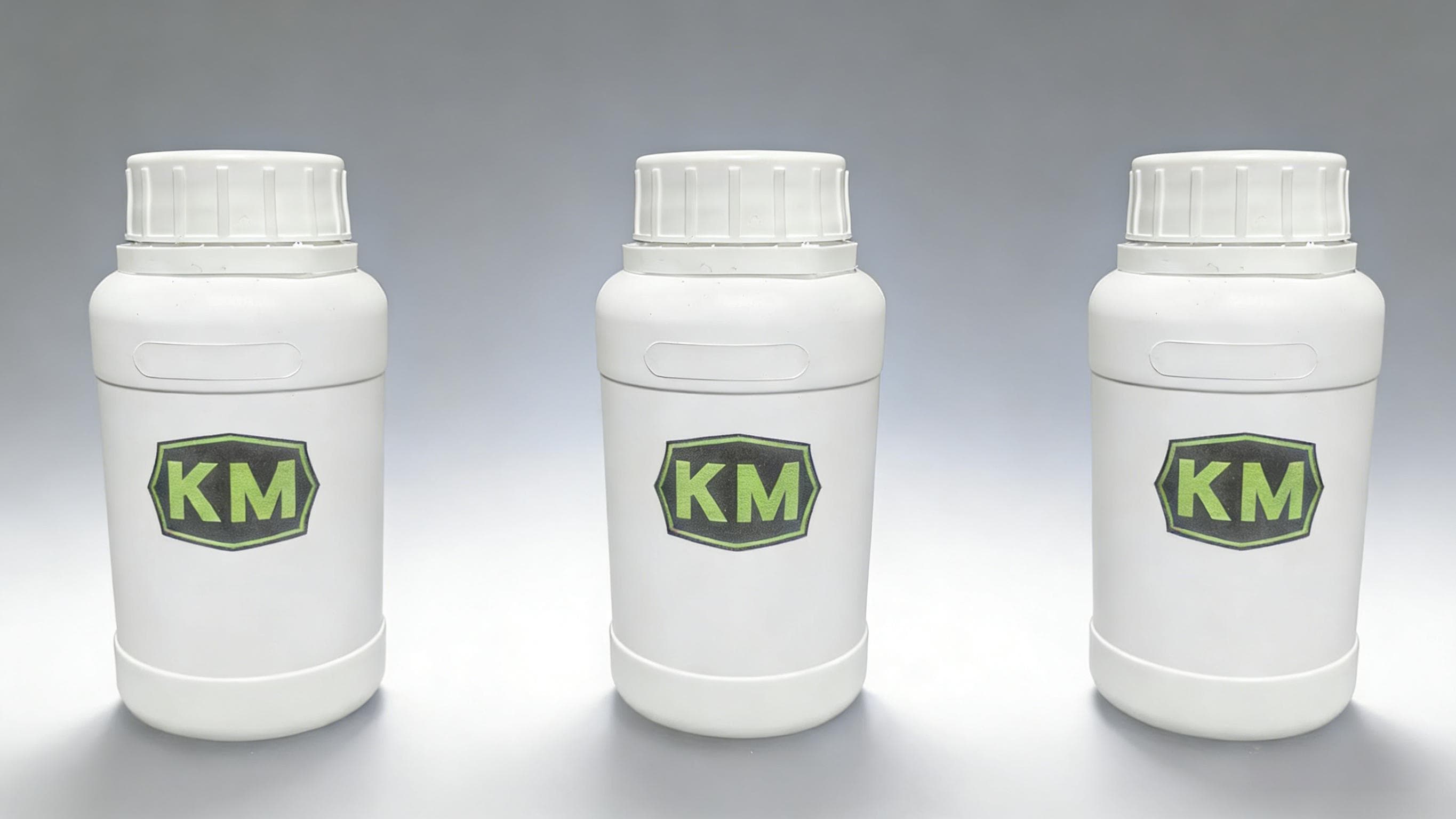
Synthesis Method and Precautions for Dibutyltin Diacetate
Chemical Name: Dibutyltin diacetate
English Name: Dibutyltin diacetate
CAS No.: 1067-33-0
Core Uses: Polyurethane coatings/adhesives curing catalyst, organosilicon crosslinking accelerator, PVC heat stabilizer intermediate
I. Main Synthesis Methods
The synthesis of dibutyltin diacetate uses dibutyltin oxide or dibutyltin dihalide as raw materials. Industrial and laboratory routes have different focuses, as follows:
Industrial Scale Synthesis Method (Reaction of Dibutyltin Oxide with Acetic Acid)
This is the most commonly used and lowest-cost industrial route. The reaction principle is an acid-base neutralization reaction (reversible reaction).
Raw Material Ratio: Dibutyltin oxide: Glacial acetic acid = 1:2.1~2.2 (molar ratio, excess acetic acid is used to improve conversion rate)
Reaction Steps
① Add glacial acetic acid to a reaction vessel equipped with a water separator and reflux condenser, and stir and heat to 80~90℃.
② Slowly add dibutyltin oxide powder in batches. Water will be generated during the addition process.
③ Continue heating to 110~120℃ for reflux and water separation. When no more water is separated from the water separator, the reaction is basically complete (reaction time is about 4~6 hours).
④ Remove excess acetic acid by vacuum distillation (vacuum degree ≥0.09MPa, temperature ≤100℃) to obtain a pale yellow transparent liquid, which is the dibutyltin diacetate product. The yield can reach over 95%.
Laboratory Synthesis Method (Reaction of Dibutyltin Dichloride with Sodium Acetate)
This method yields a high-purity product and is suitable for small-scale preparation. The disadvantage is the higher cost of raw materials.
Raw Material Ratio: Dibutyltin dichloride: Anhydrous sodium acetate = 1:2.2 (molar ratio)
Reaction Steps
① Using anhydrous toluene or xylene as a solvent, add anhydrous sodium acetate to the solvent and stir to disperse evenly. ② Slowly add dibutyltin dichloride dropwise, heat to 100-110℃ and reflux for 3-4 hours. Sodium chloride white precipitate will form during the reaction.
③ Filter the hot solution to remove the sodium chloride precipitate. The filtrate is then subjected to vacuum distillation to remove the solvent, yielding high-purity dibutyltin diacetate.
Grignard Reagent Indirect Synthesis Method (Laboratory Niche Route)
Butyl Grignard reagent is prepared from chlorobutane and reacted with tin tetrachloride to produce dibutyltin dichloride, which is then reacted with sodium acetate according to Method 2 to obtain the product. This route is cumbersome and carries high safety risks, and is only used for laboratory preparation with special requirements.
II. Key Considerations
1. Raw Materials and Reaction Condition Control
Raw material drying: Acetic acid must be glacial acetic acid (water content ≤0.1%), and sodium acetate and the solvent must be anhydrous. Otherwise, it will lead to hydrolysis of dibutyltin dichloride, reducing product yield and introducing impurities.
Temperature control: The temperature during the reflux and water separation stage should not exceed 120℃, otherwise it will lead to excessive volatilization of acetic acid or cause slight decomposition of the product; the temperature during vacuum distillation should be below 100℃ to avoid product discoloration.
Feeding method: Dibutyltin oxide should be added to glacial acetic acid in batches slowly to prevent rapid addition from causing violent local reactions and a sudden increase in temperature.
2. Safety Protection
Toxicity protection: Dibutyltin oxide and dibutyltin diacetate are both toxic organotin compounds with reproductive toxicity and skin irritation. Operations must be carried out in a fume hood, wearing nitrile gloves, a gas mask, and protective clothing.
Solvent safety: Toluene and xylene are flammable organic solvents and must be kept away from open flames and static electricity. The reaction vessel must be equipped with explosion-proof devices.
Waste disposal: The sodium chloride filter residue produced by the reaction must be stored in a sealed container, and the waste solvent must be recycled and treated, and cannot be discharged indiscriminately. 3. Product Purification and Storage
Purification Key Points: When removing acetic acid by vacuum distillation, the vacuum degree must be carefully controlled to prevent residual acetic acid from affecting the catalytic performance of the product; filtration of sodium chloride precipitate should be performed while hot to prevent the product from precipitating due to temperature decrease.
Storage Requirements: The finished product should be sealed and stored in a cool, dry place, protected from air and moisture, and kept away from acids and bases to prevent hydrolysis and deterioration; storage containers should be made of plastic or glass, and carbon steel containers should not be used (slight corrosion will occur).
4. Additional Considerations for Industrial Production
Equipment Corrosion Prevention: The reaction vessel should be made of stainless steel (316L) to prevent acetic acid corrosion.
Exhaust Gas Treatment: Acetic acid volatilized during the reflux process should be recovered through condensation, and the uncondensed exhaust gas should be absorbed with dilute alkali solution to prevent environmental pollution.